
VENDOR MANAGEMENT GUIDE
What Good Vendor Management Looks Like
A practical framework to reduce costs, improve response times, and build reliable vendor partnerships.
The Jimmy Story
“I had a standing conversation with Jimmy every morning. Ten minutes. He'd give me updates on all six work orders he was working on, and I'd talk to him again tomorrow at the same time.
Did I have to remind him about invoices? Every single time. Invoice, invoice, invoice. But the work was done right. The price was local, not marked up through two middlemen. The stores liked him.”
That's what good vendor management looks like.
Not a perfectly updated CMMS. Not automated compliance reports. A relationship where information flows because you built something worth maintaining.
The question is how you create more Jimmys across your entire vendor network.
The System That Makes It Work

You're not going to get consistent system updates from vendors. You've tried redesigning your CMMS, rewriting procedures, creating scorecards, sending reminder emails. None of it has worked.
Local contractors are out in the field working their asses off to get the job done. They're under sinks, on rooftops, standing in supply houses at 6 AM. Updating your software isn't entirely their job. Doing the work is their job.
The answer isn't changing vendor behavior. It's building systems and people designed to work with vendors the way they actually operate.
Stop Paying For Information You’re Not Getting
National providers promise to solve your information problem, but most of them are subcontracting to the same local contractors you have access to.. They're adding a layer of markup in order to give you more up-to-date information, or comply with the systems that you require contractors to use?.
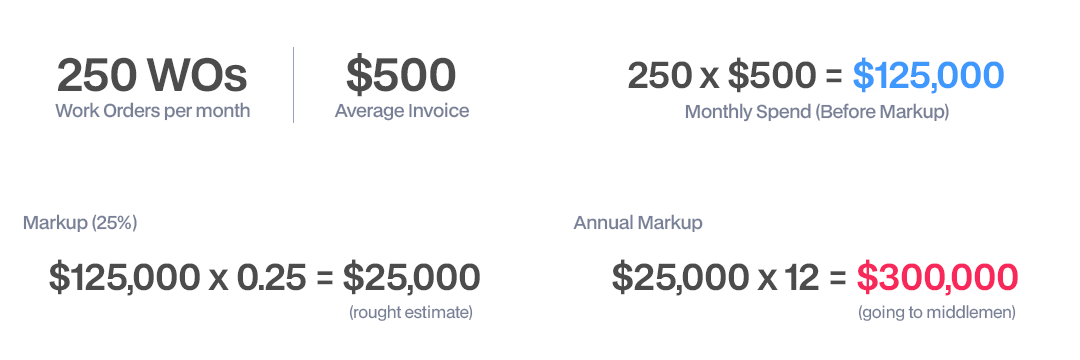
Take a single trade with 250 work orders per month at a $500 average invoice. If your national provider marks up local contractor invoices by 25%, you're spending $125,000 monthly on that trade. Of that, $25,000 is pure markup. That's $300,000 per year going to middlemen.
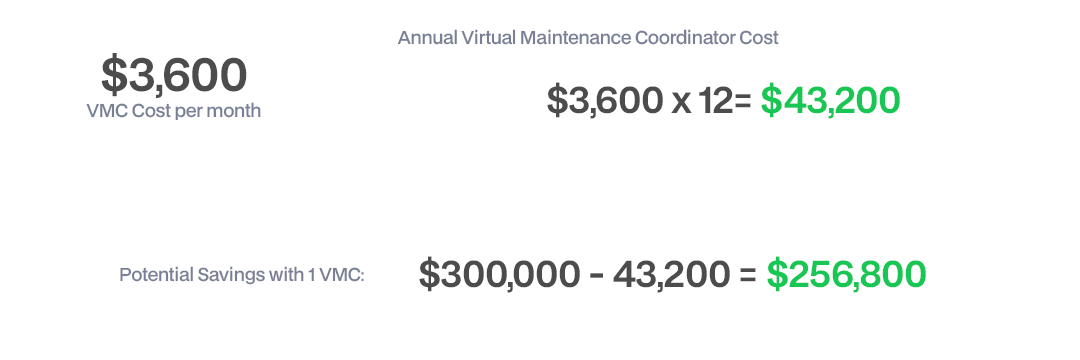
A single coordinator dedicated to building relationships with local contractors, managing those 250 work orders, and doing the daily follow-up costs a fraction of that markup.
The savings can reach a quarter million dollars annually on just one trade. And you get better information because you built a system designed to get it.
How to Work with More Jimmy’s

The approach starts with understanding what vendors are dealing with.
Before you call, do a little research. Check the weather where the contractor is. Consider what they're likely doing at 9:30 in the morning. When you call and they're busy, be flexible: "When's a good time? I'll call you back then."
And then actually call back at that time. If you say 4 PM, you call at 4 PM.
By the third or fourth interaction where you've followed through on what you said, you've built enough goodwill that information flows naturally. When contractors see your coordinator's name on their screen, they pick up. They want to help because you've built a relationship worth maintaining.
This is accountability through partnership, not pressure.
Touch Every Work Order Every Day
Here's the philosophy that makes it work: you cannot wait for information to come to you.
Your coordinators must proactively reach out on every open work order, daily. No exceptions. No hoping the system gets updated. No waiting for callbacks.
This isn't about not trusting vendors. It's about owning your information flow instead of depending on someone else to manage it for you.
You Can’t Train Empathy
You can teach someone policies, procedures, what a fire alarm panel looks like. You can show them videos and give them manuals.
What you can't teach is the instinct to hear that a contractor sounds busy and say, "Let me call you back." The ability to build rapport with someone who's been crawling through ductwork all morning. The follow-through to actually call back when you said you would.
That requires hiring for personality first and skills second. Empathy, consistency, and the ability to hold people accountable while keeping them as partners.
What works is building systems around the reality of how local contractors operate, staffed by people who are genuinely good at working with them.
What FM Dashboard Does Differently
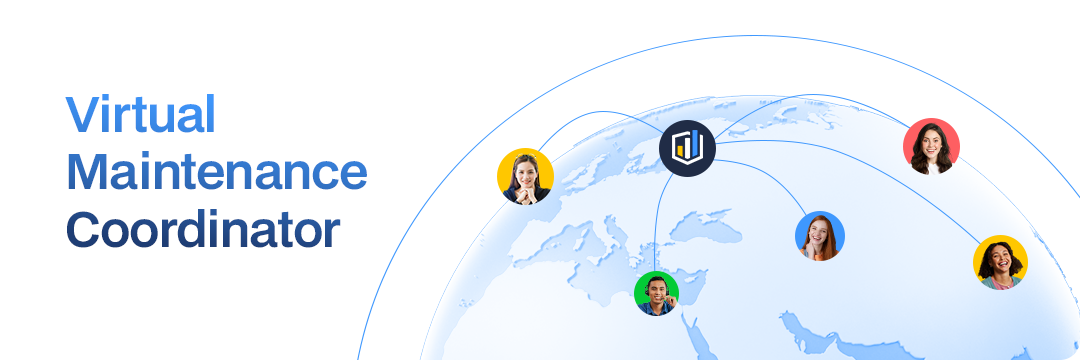
FM Dashboard helps maintenance leaders stop waiting for information and start building systems that produce it.
Our Virtual Maintenance Coordinators are hired specifically for the personality traits that create strong vendor relationships: empathy, consistency, follow-through, and the ability to hold people accountable while keeping them as partners.
We work with local contractors who do better work at lower prices. We build the relationships that make communication flow. We handle the daily follow-up so you can focus on decisions instead of phone calls.
The result? More Jimmys. Information when you need it. Vendors who pick up when we call. And savings that can reach six figures annually by cutting out unnecessary markup.
How to Lead Vendors Like a Pro

Jimmy
Jimmy runs a small electrical shop in the Southeast.
His day starts at 5:30 AM checking the truck, making sure he's got the parts he needs for the jobs on his list.
By 6:15 he's at the supply house grabbing what he couldn't pull from inventory.
By 7:00 he's on-site at the first location, crawling into a ceiling to trace a circuit or standing on a ladder in a parking lot replacing exterior fixtures.
His phone rings constantly: Store managers, customers, his wife, or the supply house calling about a backorder.
He's got grease on his hands, he's thinking about the next three jobs, and someone from a corporate office wants to know if he can log into their CMMS and update a work order status.
That's not going to happen.
Not because Jimmy doesn't care. Because Jimmy's job is fixing things, and he's in the middle of fixing things.
Working With Jimmy
I have a standing conversation with Jimmy every morning.
Maybe ten minutes, and he'd give me updates on all six work orders he was working on, and I'd talk to him again tomorrow at the same time.
Did I have to remind him about invoices?
Every single time. Invoice, invoice, invoice.
But the work was done right. The price was local, not marked up through two middlemen. The stores liked him.
That ten-minute call gave me everything I needed to keep my CMMS current, my leadership informed, and my stores taken care of. The system worked because I built something that worked with Jimmy's reality, not against it.
The Gap
You're not going to get consistent system updates directly from vendors. You've tried redesigning your CMMS, rewriting procedures, creating scorecards, sending reminder emails.
The issue isn't effort or intention.
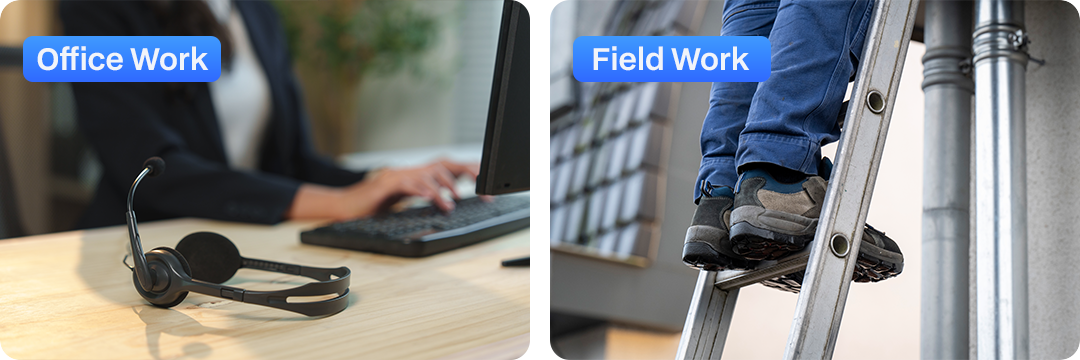
A vendor's workday, environment, and tools are fundamentally different from what a desk worker has access to. They're on ladders, under equipment, driving between sites.
Asking them to stop and update software isn't realistic. It's not how their day works.
But, once you build the systems that fill this gap, you can have a perfectly updated CMMS. You can have the compliance reports. You can have the information you need to make decisions.
The answer isn't changing vendor behavior.
It's building systems and people designed to work with vendors the way they actually operate. You become the customer that vendors want to work with. And when you invest in that infrastructure, you're able to work with better, more cost-effective vendors without paying a middleman to do it for you.
The Cost of Not Owning It
National providers promise to solve your information problem, but most of them are subcontracting to the same local contractors. They're adding a layer of markup without adding a layer of insight.
Take a single trade with 250 work orders per month at a $500 average invoice. If your national provider marks up local contractor invoices by 25%, you're spending $125,000 monthly on that trade. Of that, $25,000 is pure markup.
That's $300,000 per year going to middlemen.
A single coordinator dedicated to building relationships with local contractors, managing those 250 work orders, and doing the daily follow-up costs a fraction of that markup.
The savings can reach a quarter million dollars annually on just one trade. And you get better information because you built a system designed to get it.
Building Vendor Relationships at Work
You're not going to break away from the manual cycle of following up with vendors. That's the reality. The question is whether you build a system around it or keep hoping something else will fix it.
The approach starts with understanding what vendors are dealing with. Before you call, do a little research. Check the weather. Consider what they're likely doing at 9:30 in the morning. When you call and they're busy, be flexible: "When's a good time? I'll call you back then."
And then actually call back at that time. If you say 4 PM, you call at 4 PM.
By the third or fourth interaction where you've followed through on what you said, you've built enough goodwill that information flows naturally. When contractors see your coordinator's name on their screen, they pick up.
They know it's someone just trying to get an update, someone who respects their time.
This is accountability through partnership.
Nobody wants to be a bad friend. So make them your friend, and they'll want to perform. They'll want to give you answers.
They will want to do a good job.
Touch Every Work Order Every Day
Here's the philosophy that makes it work: you cannot wait for information to come to you.
Your coordinators must proactively reach out on every open work order, daily. No exceptions. No hoping the system gets updated. No waiting for callbacks.
This is how you own your information flow instead of depending on someone else to manage it for you.
The Coordinator Problem
It's not: How do I train my vendors to do what I need them to do?
It's: How do I train my coordinators to create relationships where I can get that information?
The iron fist approach isn't going to work. What you do have control over is your coordinators. Create a system internally that allows them to follow up appropriately.
You can teach someone policies, procedures, what a fire alarm panel looks like. You can show them videos and give them manuals.
What you can't teach is the instinct to hear that a contractor is underneath a sink trying to fix something, on his AirPod, clearly in the middle of work, and say: "You sound busy. Let me call you back. Don't worry, I'll call you back."
It's the little things.
Calling with empathy instead of attitude.
Understanding that you're behind a desk in climate control and they're out in the cold, the wet, the rain.
Saying "Hey, when you have a second in your truck warming up, can you call me? Don't worry about remembering to call me back. I'll call you."
That requires hiring for personality first and skills second. Empathy, consistency, and the ability to hold people accountable while keeping them as partners. These are traits you hire for, not skills you develop.
It's at the coordinator level where you're going to find your best vendor compliance. The key is creating an environment where your coordinators have empathy for what's going on, do a little research before they call, and follow through on what they say they're going to do.
What FM Dashboard Does Differently
FM Dashboard helps maintenance leaders stop waiting for information and start building systems that produce it.
Our Virtual Maintenance Coordinators have actual maintenance management experience, and they're hired specifically for the personality traits that create strong vendor relationships: empathy, consistency, follow-through, and the ability to hold people accountable while keeping them as partners.
Customers use our VMCs to transform how they work with vendors. One example: a customer hired us to move their fire suppression compliance and work order management from a national provider to local providers, bringing back significant cost savings while improving information flow.
We work with local contractors who do better work at lower prices. We build the relationships that make communication flow. We handle the daily follow-up so you can focus on decisions instead of phone calls.
The result? Information when you need it. A CMMS that's actually current. Vendors who pick up when we call. And savings that can reach six figures annually by cutting out unnecessary markup.
STRATEGY CALL
Tired of the Turnover Cycle? Get Your Custom Staffing Roadmap
In just 15 minutes, we’ll show you how to find, onboard, and retain "favorite" coordinators so your operation stays stable while you focus on the big picture.