
FROM HIRE TO HIGH PERFORMER:
A Maintenance Leader’s Guide to Onboarding That Actually Works
The Promise Gap

Every maintenance department knows the feeling. You finally fill that coordinator position after weeks of searching, interviewing, and negotiating. The new hire shows up on day one ready to contribute. There's a collective sigh of relief. All that work is behind you.
And then reality sets in.
You have to onboard and train them.
Most onboarding consists of a stack of paperwork, a quick tour around the office, and some vague introductions. Someone shows the new hire how they do their own work. That person is probably already drowning in their own responsibilities, but they have the best attitude on the team, so you stick your new coordinator with them and hope for the best.
Within weeks, your promising new hire is confused and mentally frustrated. They're starting to check out. Within months, they're gone. And you're back to square one, wondering what went wrong. Why can't you find anybody who will just stick around?
The truth is you may have had the right person already. You just chased them out the door.
What went wrong is what we call the promise gap. The distance between the opportunity you sold during the hiring process and the experience you delivered on day one. According to Gallup research, only 12% of employees strongly agree that their organization did a great job onboarding new hires. That means 88% of the workforce believes the company they work for failed to give them a proper start.
Your department is probably already stretched thin. You have high coordinator turnover, or you wouldn't be reading this guide. That turnover causes more daily chaos, which causes more turnover, which causes more chaos. The cycle feeds itself.
And you know what's coming next. You're about to spend the next month being a recruiter again, an HR department again, a trainer again. You'll look through resumes. You'll speak to candidates. You'll figure out who might work with the team. You'll negotiate an offer. They'll accept. And then you'll be right back where you were before the last person quit: training someone new and hoping this time it sticks.
This is why getting onboarding right the first time matters more than almost anything else you do as a maintenance leader.
The Real Cost of Getting It Wrong
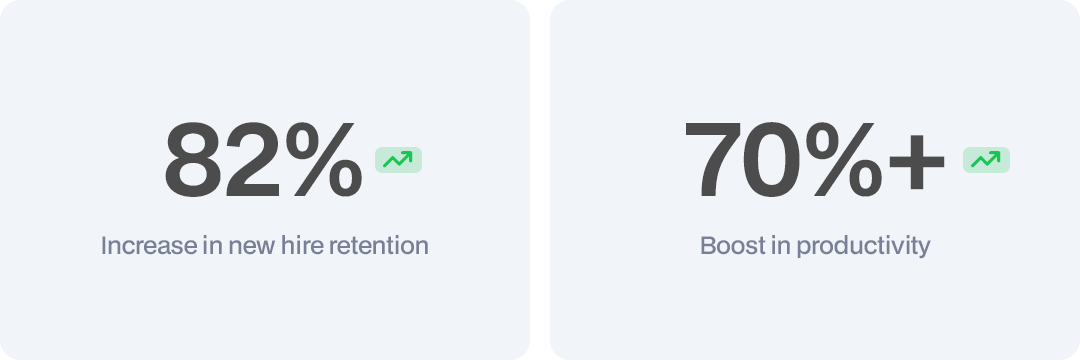
The numbers tell a brutal story. Organizations with strong onboarding programs improve new hire retention by 82% and productivity by over 70%, according to Brandon Hall Group research. Those numbers represent the difference between departments that are constantly rebuilding and ones that are building institutional knowledge over time.
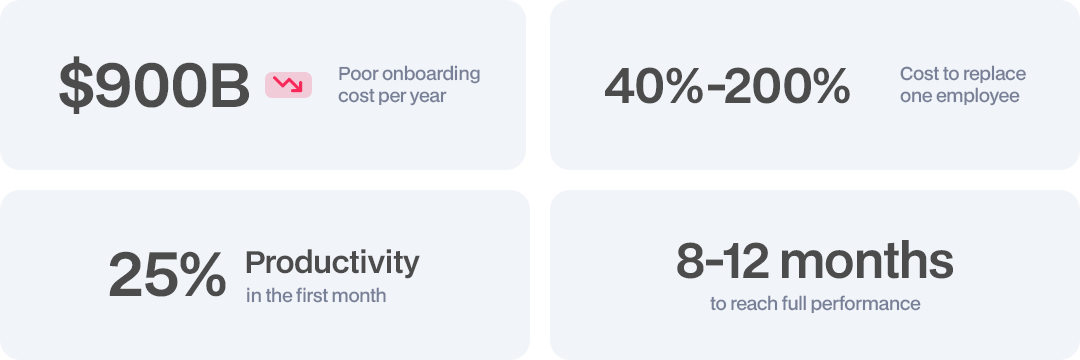
Poor onboarding costs U.S. companies nearly $900 billion annually in turnover-related expenses. Replacing a single employee costs between 40% and 200% of their annual salary depending on the role, according to Gallup and SHRM research. A new hire operates at roughly 25% of full productivity during their first month, and reaching full performance typically takes eight to twelve months.
The disengagement window opens immediately. BambooHR reports 86% of employees decide whether to stay or leave within their first six months. They may not actually leave in those six months, but they know what they're going to do. They start looking. They start wandering mentally. One in three new hires leaves within 90 days. By the eighteen-month mark, half are gone.
The root causes consistently point back to experiential disappointment. Toxic work environment. Poor leadership. Unhappiness with direct managers. Lack of growth opportunities. Notice what these have in common: they're all things that become apparent during onboarding and the first few months on the job. Your new hire isn't leaving because the job was wrong for them. They're leaving because the experience was wrong for them.
When people go out the door because you didn't onboard and train them properly, knowledge and mindshare go out with them. You cannot grow your department's institutional knowledge unless you keep people long-term. You cannot build collective capability if you're constantly starting over.
Think about professional sports. Every year after the playoffs, coaches get fired. And when you look at how long those coaches were actually there, it's often just one or two seasons. Organizations bring someone in and say,
"Change our culture. Turn us into winners. You have two years to do it."
It almost never works. The teams that go deep into the playoffs, that win championships, their coaches have been around for a long time. And when you dig into how long it took them to start winning, it was longer than two years.
We're not talking about NFL teams. We're talking about maintenance departments. But the principle holds. When you're constantly turning over people, it is impossible to instill the culture you want. You have to nail onboarding. You have to improve with every person you bring through the door. Because if you're trying to change your culture, it starts when people are paying the most attention. And they pay the most attention when they're brand new.
Culture Before Skills
Companies that focus on culture during onboarding see 40% higher employee retention, according to HiBob research. This means teaching how we work before teaching how to do the work.
But culture isn't something you can switch on during orientation. It has to already be running.
The interview process is where culture transmission actually begins, through the questions you ask, the standards you communicate, and the expectations you set before anyone accepts an offer. Candidates are watching everything. They're reading between the lines of your job posting, noticing how quickly you respond to their application, observing how organized your interview process feels. And when they show up on day one, they're comparing what they see against everything they were told. If those two pictures match, you've built trust before training even starts. If they don't match, you've already lost them.

When you're hiring, before you even get to onboarding, you want to make sure the person you chose was selected 60% based on their personality and 40% based on whether they have the technical skills you need. If you're looking for somebody to help with HVAC tickets, 60% of your decision should be about whether their personality fits the culture of this company. The other 40% is HVAC knowledge. You can teach technical skills. You can't teach company culture.
BEFORE DAY ONE:
The Pre-Onboarding Foundation

The shift starts before you bring somebody in the door. Between offer acceptance and start date, nearly 30% of professionals have backed out of an accepted position. The anxiety of waiting, combined with competing offers and second thoughts, creates a vulnerability window. Effective pre-boarding addresses this directly.
Your company probably has its set of values and mission statement. That's great. New hires need to know that. They need to be part of your company. But your department needs its own version too.
-
What's the mission of your department specifically?
-
What are the values of your department?
-
Values are really just acceptable behavior. What's the bar?
-
What is expected?
-
What's the culture?
-
How do decisions get made?
Those are your values.
When you give people a solid set of values and a good framework, they understand what is and isn't acceptable. When you give them a clear mission, they understand what their specific role is working toward. This isn't something to make up while you're sitting in front of somebody. This needs to be documented and written down. Everyone in your department should know it, should live it, so that new hires see it demonstrated before anyone explains it.
All the tools, resources, technology, software, login accounts, and processes that your new hire needs should be ready before they arrive. Don't let somebody show up on day one and their email isn't ready. It communicates that you don't care. It signals disorganization. It starts the relationship with a broken promise.
This is especially true for global, remote hires, the pre-onboarding checklist becomes even more critical. Before the interview process even begins, candidates should know the hardware and system requirements: Windows 10 or 11, Mac OS 11 or higher. They need to understand connectivity minimums and have backup power solutions in place. They need a quiet, professional workspace. Their accounts should be created and ready before they show up for orientation.
This checklist serves two purposes. It sets expectations clearly from the start. And it reveals whether a candidate is organized enough to follow through on basic requirements before they're even hired. If they can't get these fundamentals in place before day one, that tells you something important about how they'll perform on the job.
ORIENTATION DAY:
Setting Standards From Minute One
Day one should be structured, not improvised. Provide your new hire with a checklist of what to expect. From 9:00 to 9:30, we're covering this. From 9:30 to 10:00, we're covering that. There will be a break. Then training. Then a test. If the test score falls below a certain threshold, there's a study period and a retest.
When people know what to expect, they feel prepared. When they feel prepared, they feel capable. That confidence translates directly into performance.
One of the most important items on the day one agenda is going through the employee handbook word for word. The handbook should lay out expectations: mission statement, values, attendance policy, how to communicate when leaving for lunch and returning, how to sign off an email, how to answer the phone, the SLAs for dispatching work orders. This belongs in your department's handbook, not just the company's general employee handbook.
Your documents should use specific phrases repeatedly. "The expectation is..." "At FM Dashboard, we value..." "At FM Dashboard, we expect..." If your company name and your values and your expectations aren't repeated throughout your orientation materials, go through them again. You want that language reinforced so consistently that it becomes second nature.
When we take somebody through our employee handbook, we literally read it word-for-word. Employee handbooks can be a little dry, they can be a little boring, but they are important. By going through the document in great detail, we show our new hires how important it is.
The goal is that on day one, new hires know exactly what's going on and what's expected of them. There should be no ambiguity about standards.
Documentation and Knowledge Management

Knowledge management failures create massive hidden costs. Fortune 500 companies lose over $31 billion annually due to poor internal knowledge sharing, according to IDC research. Panopto's Workplace Knowledge and Productivity Report found that knowledge workers waste more than five hours per week either waiting for vital information from colleagues or recreating work that already exists somewhere in the organization. For maintenance departments, this manifests as new coordinators who can't find login information, don't know which contractors to call for which issues, and have no idea how to prioritize competing work orders.
The solution is consolidation. Every piece of job-specific information should live in one searchable place. Tools like Google Notebook LM allow you to create a centralized knowledge base that contains all training materials in one location. The system can generate audio overviews that function like interactive podcasts. It can create flashcards and quizzes for self-study. New hires get a single source of truth instead of hunting through scattered documents and asking busy colleagues for help.
The training materials should include SOPs and step-by-step instructions, priority hierarchies and order of operations, login URLs for all necessary systems (though not passwords), the employee handbook, and the code of conduct. When a new hire has a question, they should know exactly where to find the answer.
This documentation does double duty. It accelerates onboarding by giving new hires a self-service resource. And it forces the organization to actually document its processes, which benefits everyone who works there.
TAKS DELEGATION:
Clarity Creates Accountability

Maintenance coordinators operate at the task-level delegation tier. This means specifying exact tasks, timing, order, and tools needed. The leader remains responsible for results; the coordinator is responsible for executing clearly defined tasks correctly.
This distinction matters because it shapes how you document the role and how you train for it. Task-level delegation requires extremely clear instructions.
-
What tasks should happen during the day?
-
In what order?
-
What tools are needed?
-
What does "done correctly" look like?
Creating specific job descriptions based on actual task analysis prevents the common problem of hiring someone for a vague role and then being disappointed when they can't read your mind. Document what tasks could be delegated. Define them precisely. Then you know exactly what you're training someone to do.
ONGOING MANAGEMENT:
The Check-In Cadence

Manager involvement is the linchpin. According to Gallup, only 15% of employees who work for a manager who doesn't meet regularly with them are engaged. Managers who hold regular meetings nearly triple that engagement level.
Daily communication with direct reports should be mandatory for all leaders, especially during the onboarding period. Morning check-ins establish rhythm and accountability. Weekly all-company meetings with attendance tracking build team cohesion. Quarterly or bi-annual one-on-ones provide opportunities for deeper feedback and career development.
The check-in can't be just "Hi, how are you?" in a morning chat. Talk to people. Find out what's going on. One of the most valuable pieces of feedback often comes from simply asking, "Is there anything I can do to support you better?" New hires need to know that you want honest feedback and that there's nothing they can say that will be held against them. You establish this tone from the start, in onboarding, and you maintain it throughout their employment.
For the first 90 days especially, check-ins should be frequent.
-
Are they feeling supported?
-
Do they have what they need?
-
Are there obstacles you can remove?
If you get an answer that you can do something about, do it. Provide additional information, additional resources, clarity, whatever it is to help your new hire be more productive and successful in their role. This investment of time during the ramp-up period pays dividends in retention and performance later.
The Buddy Effect

Something happens in well-run teams that looks like luck but isn't. When leadership communicates well and often, team members start emulating that behavior with each other. People who have been around just a few months longer than someone else will jump in and take a new hire under their wing, provide information, offer support.
This organic mentorship emerges from culture, not from a formal buddy program assignment. When the standard is set at the top for frequent, meaningful communication, people copy it. Leaders sprout other leaders. You'll hear about it after the fact: someone was struggling with something, and a colleague heard about it, and they sat down after hours and worked through it together. Nobody asked them to do it. They just did it because that's how the team operates.
Microsoft research found that employees feel 97% more productive after just eight buddy check-ins in their first 90 days. Well-structured peer support increases retention by 52% and reduces time-to-productivity by 60%. But this doesn't happen automatically. It happens because leadership creates the conditions for it.
Teams that develop this culture, even fully remote teams, end up with people who genuinely want to work together. They meet outside of work. They support each other through challenges. They become friends. And that cohesion translates directly into performance and retention.
The Thread That Ties It All Together
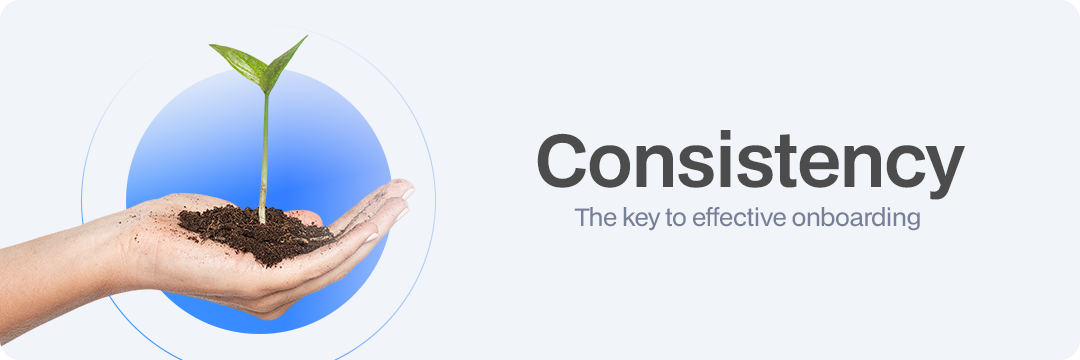
Effective onboarding can be boiled down to one simple idea: consistency. The culture was there from the start. It was there throughout the interview. It was there on day one. It was there in week one. It's there in month one. It's there down the road.
If you've truly reverse-engineered what you want your organization to be, then you know how your processes work. You know how each individual role funnels into those processes. You know the type of people you need to perform certain functions. You know how you're going to hire for those people. You know what you're going to tell them throughout the hiring process, throughout onboarding, throughout training, and throughout the rest of their career with you.
When those things stay consistent, you get excellence and longevity in the people you hire. When you're not intentional about these elements, even 25% of them, it doesn't happen. The system breaks down somewhere, and the promise gap opens up, and people leave.
The processes described in this guide are adaptable. They should evolve as you learn what works for your specific organization. But they must be intentional. You must know what you're trying to achieve and do it from the beginning to the end.
Success Factors For The Fastest Ramp-Up
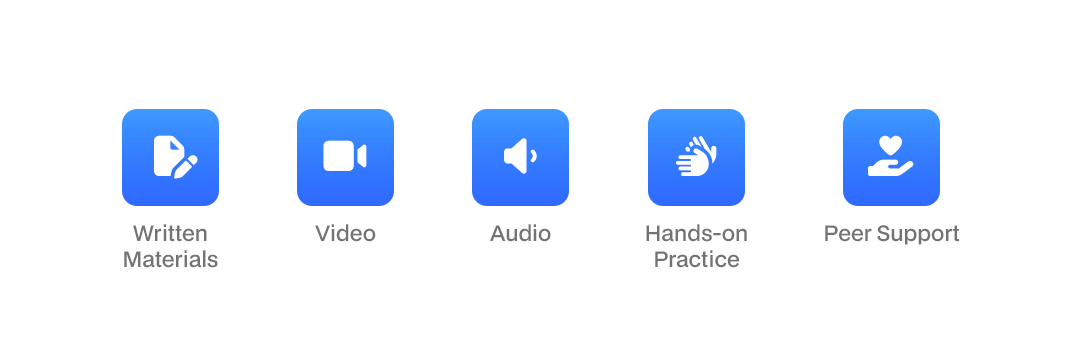
The organizations that get new hires productive fastest share common characteristics. They have the best preparation and documentation in place before day one. They use multiple methods for sharing information: written materials, video, audio, hands-on practice, peer support. They maintain a continuous improvement mindset, always refining their onboarding based on feedback and results. And they never settle for "good enough."
The genuine care factor cannot be faked. New hires know within days whether you're invested in their development or just hoping they figure it out on their own. That perception shapes their commitment to your organization more than any other single factor.
If you get this right, your new coordinator doesn't just survive the first 90 days. They thrive. They become the superstar you saw during the interview process. They become someone who makes the rest of your team better.
This is what separates maintenance departments that are perpetually rebuilding from those that are perpetually improving. The work you do before day one and during the first 90 days determines whether you're adding to your team's capability or just treading water.
STRATEGY CALL
Tired of the Turnover Cycle? Get Your Custom Staffing Roadmap
In just 15 minutes, we’ll show you how to find, onboard, and retain "favorite" coordinators so your operation stays stable while you focus on the big picture.